


In the modern world, proactively protecting and improving health has become a top priority. More and more people are looking for natural solutions to build a strong immune system. This article, with advice from Tan Loc nutrition experts, will analyze in depth. 7 Amazing Benefits of Fermented Foods, explains why this superfood is essential for overall health and an energetic body.
I. Understanding Fermented Foods: Not Just Traditional Dishes
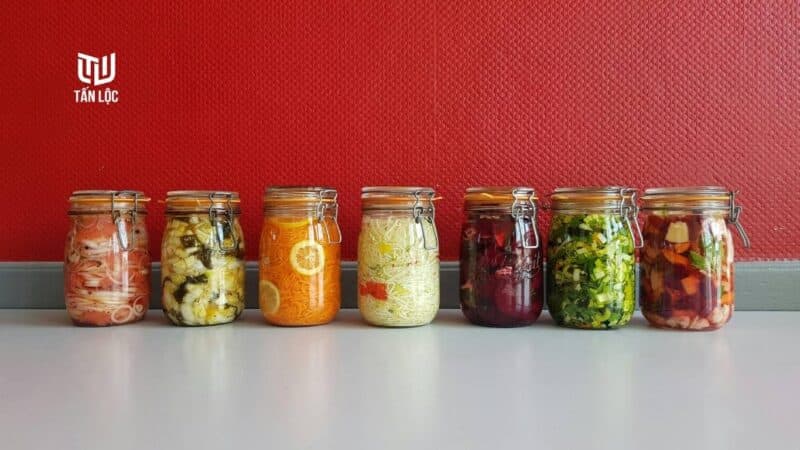
1. What is fermentation?
Simply put, fermentation is a natural chemical transformation process in which beneficial microorganisms such as bacteria and yeast break down organic compounds (mainly sugars and carbohydrates) in food. This process takes place in an oxygen-free environment.
The result of the fermentation process not only helps preserve food longer naturally without the need for chemicals. More importantly, it also creates characteristic sour, aromatic, and strong flavors, while increasing the nutritional value of the dish, turning them into natural functional foods.
2. “The silent heroes”: Probiotics
The main character that creates the magic of fermented foods is probiotics, also known as probiotics. These are living microorganisms that, when introduced into the body in sufficient amounts, will bring health benefits to the host. They are good "friends" of the digestive system.
It is important to distinguish between Probiotics and Prebiotics. Prebiotics are a type of soluble fiber that is the “food” that nourishes these beneficial bacteria to thrive. Many fermented foods provide both, creating an ideal intestinal ecosystem.
3. The Thousands of Years of History of Fermented Foods
Fermentation is one of the oldest food processing and preservation techniques known to mankind. Archaeological evidence suggests that humans have been making fermented beverages since 7,000 BC. From making wine, beer, and cheese in Europe to making pickles, soy sauce, and fermented bean curd in Asia, each culture has its own signature fermented dishes, demonstrating the deep and enduring attachment of this method to human life.
II. 7 Golden Benefits of Fermented Foods for Health

Modern science has proven what our ancestors felt through experience: fermented foods are a treasure trove for health.
1. Improve digestive health comprehensively
This is the most widely known and well-known benefit. Adding billions of probiotics from fermented foods helps to re-establish the balance of the gut microbiota, which can be easily disturbed by modern diet, stress, or antibiotic use.
A balanced microbiome can significantly reduce unpleasant symptoms such as bloating, flatulence, indigestion, and constipation. Many studies have also shown that probiotics can reduce symptoms of more complex conditions such as irritable bowel syndrome (IBS) and ulcerative colitis. Furthermore, the fermentation process also helps break down indigestible compounds in foods, making them easier for the body to absorb.
2. Strengthen the immune system - "Citadel" to protect the body
Few people know that about 70-80% immune system cells are located in the intestinal system. This shows the close connection between digestive health and the body's defense ability.
When the intestinal microflora is healthy and balanced, the intestinal mucosal barrier is strengthened. This prevents harmful bacteria and toxins from entering the bloodstream. Probiotics also stimulate the body to produce natural antibodies and regulate the activity of immune cells, helping the body respond more quickly and effectively to pathogens, thereby reducing the risk of common infections.
3. Increase nutrient absorption
Another great benefit of fermentation is its ability to “unlock” nutrients. Many foods, especially grains and legumes, contain natural compounds called antinutrients (such as phytic acid). These can bind to minerals like iron, zinc, and calcium and prevent their absorption.
The fermentation process effectively breaks down these anti-nutrients, releasing minerals for optimal absorption by the body. Not only that, the microorganisms themselves, during their activity, also synthesize many new vitamins, especially B vitamins (B1, B2, B12) and vitamin K2 - an important micronutrient for bone and cardiovascular health.
4. Positive impact on mental health (Brain-Gut Axis)
The concept of the “gut-brain axis” is a hot area of research in medicine. It describes the continuous, two-way chemical communication between the digestive system and the central nervous system. The gut is sometimes referred to as the body’s “second brain.”
Surprisingly, beneficial bacteria in the gut are involved in the mass production of a variety of important neurotransmitters. For example, serotonin, also known as the “happy hormone,” plays a role in regulating mood, sleep, and appetite. A healthy gut can contribute to improved mood, reduced anxiety, stress, and improved mental well-being.
5. Supports weight control
While not a direct weight loss method, supplementing with fermented foods may support healthy weight management.
Several studies have shown that the gut microbiota of overweight people and those of healthy weight are distinctly different. Certain strains of probiotics found in fermented foods are thought to influence the way the body harvests and stores energy from food. They may also influence the hormones that regulate feelings of fullness and hunger, helping you better control your eating.
6. Contributes to protecting cardiovascular health
Cardiovascular diseases remain one of the leading causes of death worldwide. Several studies have found a positive association between fermented food consumption and heart health.
For example, yogurt and other fermented milk products have been shown to help reduce blood pressure slightly in people who are prone to high blood pressure. Additionally, certain strains of probiotics may help reduce levels of bad (LDL) cholesterol and total cholesterol, two major risk factors for heart disease.
7. Synthesis of biologically active compounds
The fermentation process not only decomposes but also creates many new compounds with high biological activity. These compounds include peptide, organic acids, and other molecules that have powerful antioxidant properties, helping to protect cells from free radical damage. Many of these compounds also have natural antibacterial and anti-inflammatory properties, contributing to the body's overall health.
III. Discover the Rich World of Fermented Foods

1. Popular international dishes:
- Yogurt & Kefir: Kefir is a rich source of probiotics, familiar and good for bone health and digestive system. Kefir contains even more diverse strains of beneficial bacteria than yogurt.
- Kimchi (Korea): A famous dish made from fermented cabbage with chili, garlic, and onions. Kimchi is rich in vitamins A, C, B, and beneficial bacteria of the Lactobacillus genus.
- Kombucha (Fermented Tea): A lightly carbonated, sweet and sour beverage, made by fermenting sweet tea with a strain called SCOBY. Kombucha contains many organic acids, vitamins and a certain amount of probiotics.
- Natto & Tempeh (From Soybeans): Natto is a traditional Japanese dish, with a characteristic sticky and strong smell, extremely rich in vitamin K2. Tempeh originates from Indonesia, is soybeans that are fermented and solidified into a mass, rich in protein and fiber.
2. The "treasures" on the Vietnamese dinner table:
- Pickled cabbage: Rustic dish, helps stimulate taste buds, prevents boredom and effectively aids digestion.
- Salted eggplant: Crispy, delicious, an indispensable side dish in many Vietnamese family meals.
- Nem chua: Unique specialty of many regions, using raw meat naturally fermented with rice husks and leaves, creating a harmonious sour, spicy, sweet flavor.
- Fermented rice, Shrimp paste: These are typical fermented spices that create the soul and depth of flavor for countless quintessential dishes of Vietnamese cuisine.
IV. Instructions for Adding Fermented Foods to Your Daily Diet

1. Start slow
If you are new to fermented foods, start with small amounts, such as a few spoonfuls of yogurt or a handful of pickles each day. This gives your digestive system time to adjust and avoid any initial discomfort.
2. Read the label carefully
For commercial products like yogurt and kombucha, choose those that clearly state “live cultures” or “probiotics.” Also, pay attention to added sugar and sodium (salt) content, and choose those that are low in sugar and moderate in salt.
3. Diversity is key
Each fermented food contains different strains of probiotics, and each strain has its own benefits. Don’t just eat one type. Try to mix things up during the week, for example, eat yogurt today, kimchi tomorrow, some pickles the day after that… to get the widest range of benefits.
4. Try making it yourself at home
Making fermented foods at home (like pickling, making yogurt, cultivating kombucha) is an interesting experience. It not only helps you ensure food safety but also allows you to have full control over the ingredients, increasing or decreasing the amount of salt and sugar as desired to create the best product for your family's health.
V. Who Should Be Careful When Using Fermented Foods?

Although very beneficial, certain groups of people need to be cautious when consuming fermented foods.
- People with Histamine Intolerance: Fermentation can produce large amounts of histamine. In people with histamine sensitivity or intolerance, eating a lot of fermented foods can cause symptoms such as headaches, rashes, or digestive problems.
- The Sodium Problem: Pickles, pickled eggplants, kimchi, etc. often contain a high amount of salt (sodium) for preservation. People with high blood pressure, heart disease, or kidney disease should consume these foods in moderation and under control.
- People with severely weakened immune systems: In very rare cases, people with severely compromised immune systems (e.g., late-stage HIV/AIDS patients, people who have recently had an organ transplant) should consult their doctor before taking high doses of probiotics, to avoid the risk of infection.
VI. Tan Loc & Commitment to Bringing the "Thousand Year Secret" to Workers' Meals
1. The importance of digestive health in the work environment
Due to the nature of the industrial work environment, workers often face work pressure and fixed working hours. An unhealthy digestive system can lead to feelings of fatigue and discomfort, directly affecting concentration and productivity.
Tan Loc Industrial Catering Company We understand that taking care of employees' digestive health is a practical investment in human resources, helping to create a more dynamic and effective working environment.
2. Tan Loc brings the value of fermented foods into daily menus
As a nutritionist, Tan Loc not only provides full meals but also constantly researches to enrich the health value of each dish. We are proud to bring traditional Vietnamese fermented dishes into menu in a scientific and balanced way.
Side dishes such as pickled cabbage, crispy eggplant or sour soup with rich hometown flavor are calculated and served at a reasonable frequency. They not only help stimulate the taste buds, effectively prevent boredom but also provide natural probiotics, supporting gentle digestion for workers after stressful working hours.
3. Advice from nutrition expert Tan Loc
To maximize the benefits, Tan Loc experts recommend that you enjoy fermented side dishes served in your daily meals. In addition, you can actively enhance your intestinal health by adding a box of yogurt after lunch or dinner. The combination of a balanced main meal from Tan Loc and proactively adding a variety of fermented foods will create a strong "barrier" to protect your digestive system.
VII. Conclusion
Fermented foods are not only dishes with a strong cultural imprint and unique flavor, but also a precious treasure trove of nutrients bestowed by nature. They are living proof that traditional methods sometimes contain the most sustainable health secrets.
By adding them in moderation and variety to your diet, you are taking one of the simplest and most delicious ways to nourish your digestive system, boost your immune system, and improve your overall health. Start your journey into the world of fermented foods today!