


Anti-inflammatory diet is considered the golden secret to help you repel the risk of disease, increase vitality and prolong life naturally. If you are facing chronic inflammation - the "silent enemy" that causes fatigue and pain, then this is the solution for you. Let's explore how to build this diet effectively today.
I. Understanding the “Silent Enemy”: What Is Inflammation and Why Is It Dangerous?

1. Distinguish between Acute Inflammation and Chronic Inflammation
First of all, it's important to understand that not all inflammation is bad. Inflammation is, by its very nature, an important part of the body's defense system.
- Acute inflammation: This is the immune system’s immediate and necessary response to injury or invasion by microorganisms. When you cut yourself, the wound swells, becomes hot, red, and painful – that’s acute inflammation. It’s like a fire department being called in to put out a fire, kill bacteria, and begin the repair and healing process. This response is short-lived and ends when the threat is removed. This is the “good” kind of inflammation.
- Chronic inflammation (systemic inflammation): On the contrary, this is the “silent enemy” that we need to pay attention to. It occurs when the inflammatory response does not end but persists for months, even years. Imagine a smoldering fire that never goes out. That small fire continuously releases inflammatory chemicals, slowly attacking and destroying healthy tissues, cells, and organs in the body. Because it occurs silently and has no obvious symptoms in the early stages, chronic inflammation often goes unnoticed until it has caused serious damage.
2. The Link Between Chronic Inflammation, Disease, and Longevity
Scientists around the world are finding increasing evidence that chronic inflammation is a fundamental factor driving the development of most of the most dangerous non-communicable diseases, specifically:
- Cardiovascular and metabolic diseases: It is a major contributor to the formation of atherosclerotic plaques in the arteries, and also reduces insulin sensitivity, leading directly to type 2 diabetes.
- Arthritis and autoimmune diseases: It attacks the joints, causing rheumatoid arthritis. In other autoimmune diseases, it causes the immune system to attack the body's own healthy tissues.
- Risk of cancer and other diseases: Chronic inflammation has also been shown to be closely linked to the development of certain cancers and diseases such as non-alcoholic fatty liver disease.
- Neurological impairment: Chronic inflammation in the brain is one of the key factors driving terrifying neurodegenerative diseases like Alzheimer's. Alzheimer and Parkinson.
Essentially, chronic inflammation accelerates the aging process of the entire body, causing us to age faster and significantly reducing the number of years of healthy life.
3. Causes of Chronic Inflammation
Chronic inflammation does not occur naturally. It is the result of an unbalanced modern lifestyle, which includes many factors:
- Diet: This is the leading cause. Excessive consumption of sugar, refined carbohydrates, bad fats (trans fat, omega-6) and processed foods are the main sources of “igniting” inflammatory reactions in the body.
- Stressful lifestyle: Chronic stress increases the hormone cortisol, a substance that can cause inflammation when present at high levels over long periods of time.
- Lack of sleep: Sleep is the time when the body repairs itself. Chronic sleep deprivation disrupts this process and promotes inflammation.
- Sedentary: A sedentary lifestyle reduces the body's natural anti-inflammatory abilities.
- Overweight, obesity: Fat cells, especially visceral fat, are not only energy stores but also act as factories for producing inflammatory molecules (cytokines).
- Other factors: Smoking, drinking too much alcohol, exposure to toxins and environmental pollution also contribute significantly.
II. The Foundation of an Anti-Inflammatory Diet: 4 Core Principles
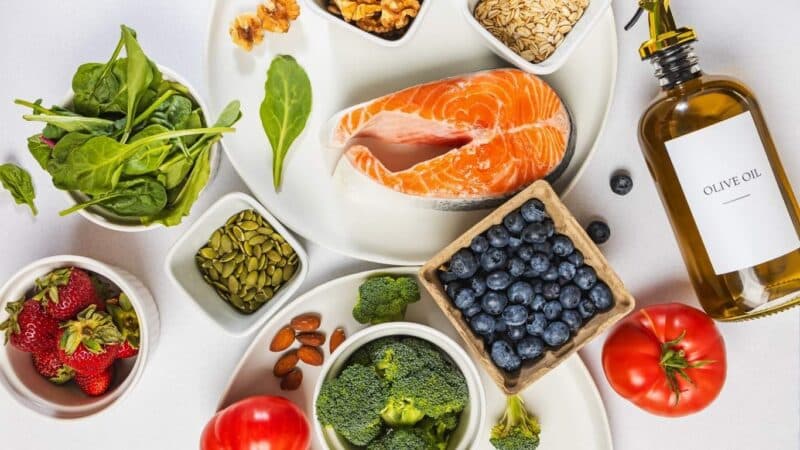
Fortunately, we can effectively control inflammation through diet. Here are four basic principles.
- Focus on whole, unprocessed foods: This is the most important rule. Prioritize foods that are as close to their natural state as possible: vegetables, fruits, whole grains, beans, nuts. They are full of vitamins, minerals, fiber, and beneficial plant compounds, instead of the additives, sugar, and bad fats found in processed foods.
- Maximize Antioxidants and Polyphenols: Free radicals are unstable molecules created during metabolism and exposure to environmental toxins. They damage cells and promote inflammation. Antioxidants, found in a variety of colorful fruits and vegetables, are the “bodyguards” that help neutralize these free radicals. Polyphenols are another group of plant compounds with powerful anti-inflammatory properties.
- Balance of Omega-3 and Omega-6 fatty acids: Both are essential fatty acids, but they need to be maintained in a balanced ratio. The modern diet is often too high in Omega-6 (found in refined vegetable oils, processed foods) and too low in Omega-3 (found in fatty fish, flaxseeds, walnuts). This imbalance promotes inflammatory responses. Therefore, the goal is to reduce Omega-6 and increase Omega-3.
- Prioritize fiber to nourish the gut microbiome: Fiber is a food source for the good bacteria in your gut. A healthy microbiome produces anti-inflammatory compounds like short-chain fatty acids. (SCFA), helps strengthen the intestinal barrier and regulate the immune system.
III. The Top "Army" of Anti-Inflammatory Foods You Should Have on Your Menu
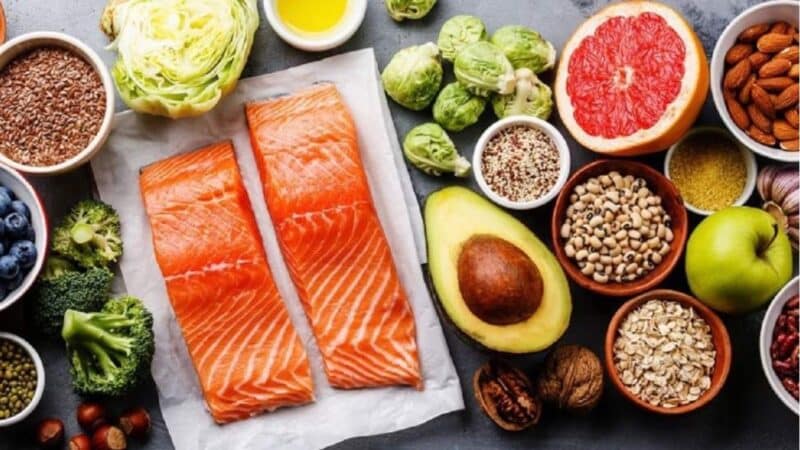
Building an anti-inflammatory diet doesn’t have to be complicated. Meet these nutritional superheroes:
- Dark green leafy vegetables: Spinach, kale, broccoli, spinach, and jute are real nutritional powerhouses. They contain high levels of vitamin K, magnesium, and antioxidants like sulforaphane, which help protect cells from damage.
- Berries: Strawberries, blueberries, raspberries, cherries... have bright colors thanks to containing anthocyanins, a group of extremely powerful antioxidants that reduce inflammation and improve brain and cardiovascular health.
- Fatty fish: Salmon, mackerel, herring, tuna and even fish more familiar to Vietnamese people such as basa and snakehead fish are all the richest sources of Omega-3 fatty acids (EPA and DHA). Try to eat fatty fish at least twice a week.
- Nuts and seeds: Almonds, walnuts, cashews, sunflower seeds, chia seeds, flax seeds… contain a great combination of unsaturated fats, fiber, protein and magnesium. Walnuts are especially rich in ALA, a plant form of Omega-3.
- Extra virgin olive oil: Dubbed the “liquid gold” of the Mediterranean diet, extra virgin olive oil contains the compound oleocanthal, which has been shown to have anti-inflammatory effects similar to ibuprofen but without the side effects.
- “Golden” spices: Turmeric and ginger are two powerful anti-inflammatory “warriors” in the kitchen. The active ingredient curcumin in turmeric has the ability to inhibit many inflammatory molecules. Ginger also contains the compounds gingerol and shogaol, which have similar effects.
- Green tea: This popular beverage is rich in EGCG (Epigallocatechin gallate), a polyphenol with powerful antioxidant properties that helps protect cells and reduce markers of inflammation in the body.
- Tomato and Avocado: Tomatoes are a rich source of lycopene, a powerful antioxidant that is especially good for heart health. Avocados are also high in monounsaturated fats, potassium, magnesium, and fiber, all of which contribute to an anti-inflammatory diet.
IV. Black List: Inflammatory Foods That Should Be Limited As Much As Possible
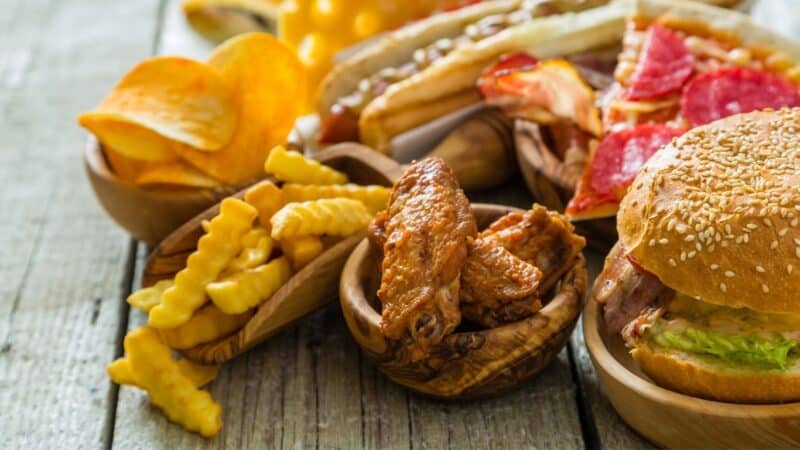
Just as adding good foods is important, limiting bad foods is equally important.
- Sugar and high fructose corn syrup (HFCS): This is “public enemy number one”. Excess sugar stimulates the liver to produce inflammatory fats and increases the concentration of inflammatory molecules such as cytokines. They are present in soft drinks, candy, snacks, and industrial sauces.
- Trans Fats: The most dangerous type of artificial fat, found in fast food, industrial fried foods, margarine, cookies... They not only cause inflammation but also increase bad cholesterol (LDL) and decrease good cholesterol (HDL).
- Refined vegetable oil: Oils such as soybean oil, corn oil, sunflower oil… are rich in Omega-6 fatty acids. Consuming too much will unbalance the Omega-6/Omega-3 ratio and promote inflammatory processes.
- Refined carbohydrates: White bread, white rice, pasta, noodles, pho… have had almost all of their fiber and nutrients removed. They are digested quickly, causing spikes in blood sugar and insulin, which in turn causes inflammation.
- Processed meat: Sausages, bacon, sausages, ham… contain many preservatives, additives and inflammatory compounds created during processing at high temperatures.
- Excessive alcohol: Excessive alcohol consumption puts a burden on the liver, disrupts bowel function, and leads to systemic inflammation.
V. Tan Loc & His Efforts to Create “Anti-Inflammatory” Meals for Workers

1. Understanding the health challenges of workers
Tan Loc Industrial Catering Company We understand that, with the nature of work requiring high concentration and physical endurance, workers are the ones who need special attention to their health. Work pressure, fixed working hours and collective working environments can inadvertently create conditions for chronic inflammation to develop, causing fatigue and decreased productivity. Therefore, we believe that each meal should not only fill the stomach, but also be an opportunity to regenerate energy and “extinguish” potential inflammatory fires.
2. Apply the golden rule to Tan Loc menu
Tan Loc's commitment is to turn scientific knowledge of anti-inflammatory diets into delicious and practical meals in daily menuOur team of nutritionists work tirelessly to:
- Prioritize healthy cooking methods: We increase boiled, steamed, lightly braised, soup dishes... and minimize deep-fried and fatty dishes to minimize inflammatory compounds produced by high temperatures.
- Smart material selection: Tan Loc's menu always ensures a rich and colorful vegetable portion according to the season. We prioritize the use of natural spices with high anti-inflammatory properties such as turmeric and ginger in braised and stir-fried dishes. In particular, fish rich in Omega-3 such as mackerel and basa are included in the weekly menu in a reasonable way.
- Nutritional balance: Each meal is carefully calculated to have a balance of quality protein, complex carbohydrates (prioritizing unpolished rice) and healthy fats, ensuring sustained energy without causing blood sugar spikes.
3. It's not just a meal, it's a sustainable health solution
For Tan Loc, providing industrial meals is not just a service. It is a mission, a comprehensive health solution. We are proud to be a partner with businesses in building a healthy working culture, a resilient and energetic workforce, starting from the most core values - daily meals.
VI. Conclusion
Building an anti-inflammatory diet is not a crash diet or an expensive one. It is a mindset shift, a smart, sustainable, and completely doable lifestyle choice. By prioritizing fresh, whole foods and limiting processed foods, you are giving your body the most precious gift of all: good health, a clear mind, and a long, healthy life.
Start your self-care journey with the choices you make on your dinner table today.