


Food safety plays an important role in protecting the health of every family. However, many people still make mistakes when preserving and processing food without knowing it. These habits can lead to food poisoning, bacterial contamination and many other health problems. In this article, we will review common mistakes when preserve and food preparation at home, and instructions on how to do it properly to ensure safety.
1. Mistakes in food preservation
1.1. Store cooked and raw foods together:
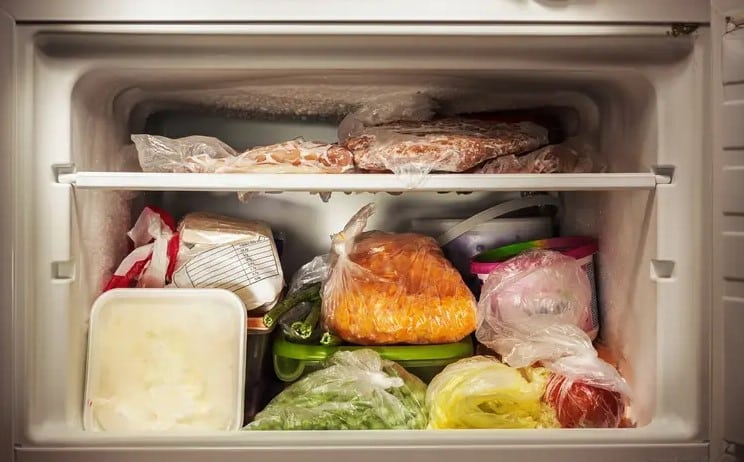
Many people have the habit of storing raw and cooked food in the same refrigerator compartment or in the same container, which is very dangerous.
The right way: Storing cooked and raw foods separately is an important principle to avoid cross-contamination of bacteria, ensure food safety and keep food fresh longer. Here are the specific reasons:
Avoid bacterial cross contamination
- Raw foods (such as unwashed meat, fish, seafood, and vegetables) often contain naturally occurring bacteria such as Salmonella, E. coli, and Listeria, which can cause food poisoning.
- If cooked food is stored with raw food, bacteria from the raw food can transfer to the cooked food, especially if it is not covered or placed in the same refrigerator compartment.
Reduce the risk of food poisoning
- Cooked foods are usually free of harmful bacteria, but if cross-contaminated with raw foods, they can become a source of illness.
- Bacterial contamination can lead to food poisoning with symptoms such as abdominal pain, diarrhea, vomiting, fever...
Keep food fresher longer
- Raw foods such as meat and fish often secrete fluids. If kept together, cooked foods can become damp and spoil faster.
- Some raw foods, especially vegetables, can produce ethylene gas, which causes cooked foods to lose quality, lose flavor, or spoil quickly.
Limit the mixing of food odors
- Raw foods, especially seafood and red meat, have a distinctive odor that can permeate cooked foods if not stored properly.
- This reduces the flavor of the dish and makes it unpleasant to use.
Proper storage to avoid cross contamination
✔ Use separate containers: Store cooked and raw foods in separate containers with tight lids.
✔ Arrange properly in the refrigerator: Place raw food in the lower compartment, cooked food in the upper compartment to avoid water from raw food leaking onto cooked food.
✔ Use plastic bags or wrap: If you don't have a separate box, use plastic wrap or a zip bag to protect the food.
In general, storing cooked and raw foods separately not only helps protect health but also keeps food fresh and safe to use.
1.2. Do not cover food tightly when storing in the refrigerator:
Some people think that simply placing food in the refrigerator will keep it safe without covering it.
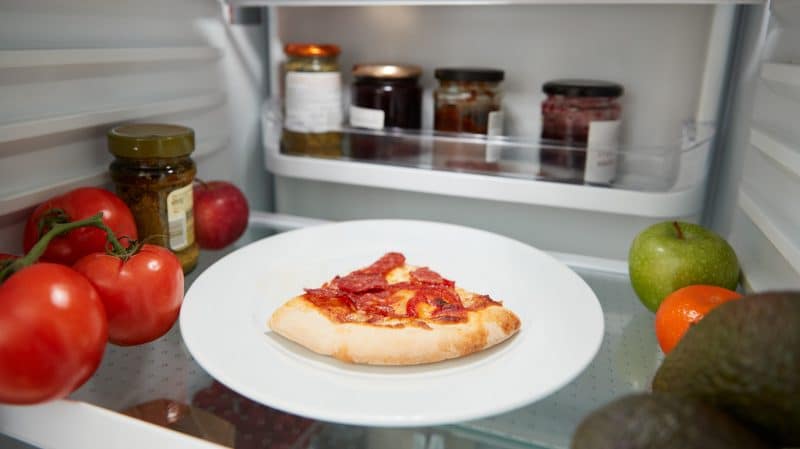
The right way: Covering food tightly when storing it in the refrigerator is an important habit that helps keep food fresh longer, avoids contamination and limits odors. Specifically:
Prevent bacteria and food cross-contamination
- Refrigeration does not kill bacteria, it only slows their growth. If food is not covered, it can easily be cross-contaminated with bacteria from other foods, especially raw foods.
- Sealing helps protect food from bacteria from the outside environment, ensuring food hygiene and safety.
Keep food fresher longer
- When exposed to air in the refrigerator, food can easily become dehydrated, dry out or deteriorate due to oxidation.
- Covering tightly helps maintain moisture, limiting the phenomenon of food drying out or freezing when stored in the freezer.
Avoid odors between foods
- Refrigerators contain many types of food with different odors such as onions, garlic, seafood, cheese, etc. If not covered tightly, the odors of these foods can mix together, losing the natural flavor of the food.
- Sealing helps preserve the flavor and quality of food.
Limits absorption of gas and moisture from the refrigerator environment
- Some foods such as milk, butter, and eggs can absorb gas and moisture from the refrigerator environment, causing the flavor to change.
- Sealing helps prevent food from direct contact with cold air and excess moisture, maintaining better quality.
Avoid food waste
- Food that is not stored properly is more likely to dry out, become contaminated or spoil faster, leading to waste.
- By wrapping food tightly, you can extend its shelf life and protect it from spoilage.
How to properly wrap food when storing in the refrigerator
✔ Use sealed containers or zip bags: Plastic containers, glass containers with tight lids or zip bags help preserve food better.
✔ Use plastic wrap: Plastic wrap helps wrap cooked food, vegetable or cut foods.
✔ Label and storage date: Label the storage date to use food on time, avoid leaving it in the refrigerator for too long.
In general, wrapping food tightly not only helps protect food from bacteria and odors but also maintains freshness, ensuring meals are always of good quality and safe.
1.3. Improper defrosting of food:
Many people have the habit of defrosting food by leaving it at room temperature or soaking it in hot water. This method creates conditions for bacteria to grow rapidly.
The right way: Defrosting food properly is an important step to protect your health, maintain food quality and prevent bacteria from growing. Here are some specific reasons:
Prevent bacteria from growing
- When food is thawed at room temperature, the outside of the food warms up faster while the inside remains frozen. This creates an environment for bacteria such as Salmonella, E. coli, Listeria to thrive.
- If not thawed properly, food can become a source of food poisoning.
Maintain food quality
- Improper thawing (such as soaking in hot water or leaving it exposed to air for too long) can cause loss of freshness, making food mushy, dehydrated, or changing texture.
- Proper defrosting helps food retain its flavor and nutritional value.
Reduce dehydration and nutrient loss
- When defrosting too quickly or at high temperatures, a lot of water escapes from food, causing the meat and fish to become dry, mushy and lose nutrients.
- Defrosting slowly in the refrigerator helps retain natural moisture, making food softer and tastier when cooked.
Avoid bacterial cross contamination
- If raw food is not thawed properly (for example, mixed with cooked food or on an unclean surface), bacteria can spread, posing a health risk.
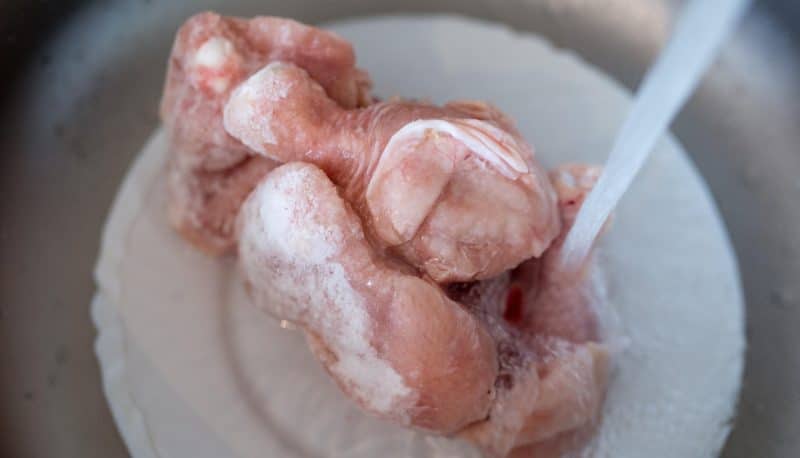
How to defrost food properly
✔ Defrost in the refrigerator (safest way):
- Move food from the freezer to the refrigerator 6-8 hours before cooking.
- Keep food in sealed containers or bags to prevent water from leaking into the refrigerator.
✔ Defrost with cold water (if needed faster):
- Put food in sealed bag, soak in cold water.
- Change the water every 30 minutes to ensure the food does not get too warm.
✔ Defrost in microwave (if needed urgently):
- Use the defrost setting of the microwave, but cook immediately after defrosting to avoid bacteria growth.
✔ Do not defrost at room temperature:
- This is a common mistake because the ambient temperature creates ideal conditions for bacteria to grow rapidly.
In general, proper defrosting helps ensure food safety, preserve food quality and protect family health.
1.4. Storing food for too long
Many people have the habit of freezing food for long periods of time without checking the expiration date, leading to the risk of using spoiled food.
The right way: Storing food for too long can reduce its quality, lose its nutritional value, and potentially pose a health risk. Here are some specific reasons:
Food can spoil even if it is still in the refrigerator.
- Refrigeration cannot stop food from spoiling forever, it only slows down the process. If left too long, food can still become moldy, rancid, or spoil.
- Freezing helps extend storage time, but does not prevent food from losing quality over time.
Reduced nutritional value
- Food left for a long time can lose many important vitamins and minerals, especially vegetables, fruits, meat and fish.
- Nutrients in food can break down over time, even without obvious signs of spoilage.
Risk of food poisoning
- Bacteria and mold can grow even in the refrigerator if food is stored for too long. Some bacteria may not cause an odor or change color, but can still cause food poisoning when eaten.
- Food that has been frozen for a long time can suffer from “freezer burn”, which reduces quality and makes the food taste unpleasant.
Food waste
- Storing food for too long can easily lead to forgetting to use it, and by the time you check again, the food has spoiled and must be thrown away.
- Not only is this wasteful, it also increases the cost of purchasing new food.
How to preserve food at the right time
✔ Label storage date: Label or date food containers to track expiration dates.
✔ Comply with safe storage time:
- Fresh fish and meat: 1-2 days in the refrigerator, 3-6 months in the freezer.
- Cooked food: 3-4 days in the refrigerator, 2-3 months in the freezer.
- Vegetables: 5-7 days in the refrigerator, should not be frozen for long because it easily loses nutrients.
✔ Prioritize using old food first: Apply the principle of “First In, First Out” to avoid food that has been stored for a long time.
In general, food should not be stored for too long to ensure health safety, maintain food quality and avoid waste.
2. Mistakes in food processing
2.1. Not washing hands before processing
Bacteria from hands can contaminate food, causing food safety risks.
The right way:
- Wash hands with soap and clean water for at least 20 seconds before preparing food.
- Avoid handling cooked food with your hands after handling raw food.
2.2. Use the same knife and cutting board for raw and cooked food.
Knives and cutting boards can be sources of cross-contamination of bacteria if not used properly.
The right way:
- Use separate knives and cutting boards for raw and cooked foods.
- Wash knives and cutting boards with dish soap and hot water after each use.
2.3. Not cooking food at the right temperature
Some foods such as chicken and pork, if not fully cooked, can contain disease-causing bacteria such as Salmonella, E. coli.
The right way:
- Make sure to cook food to a safe temperature: chicken should reach 75°C, beef and pork at least 63°C, seafood 62°C.
- Use a food thermometer to check the internal temperature of the food if necessary.
2.4. Not cleaning vegetables properly
Many people just wash vegetables with water, do not soak them, or do not carefully check vegetables that have a lot of soil or insects.
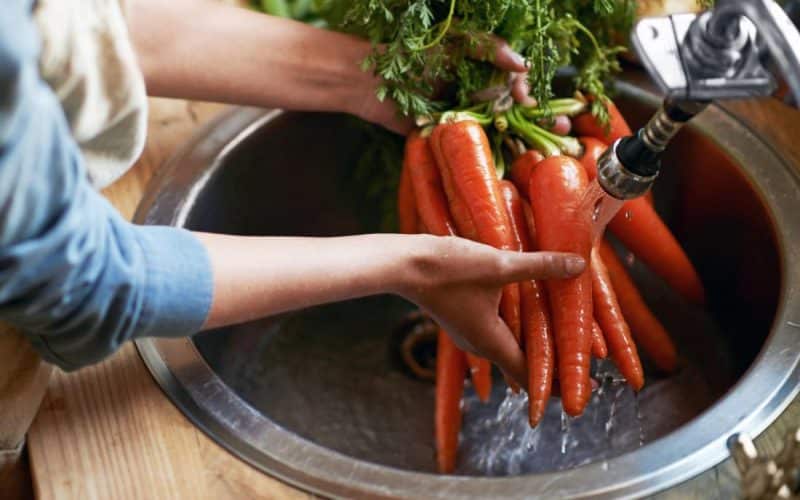
The right way:
- Soak vegetables in diluted salt water or specialized vegetable washing solution for about 10-15 minutes before rinsing with clean water.
- Check the gaps between vegetable leaves, especially greens, cabbage, etc., to remove insects or dirt.
3. Some important notes to ensure food safety
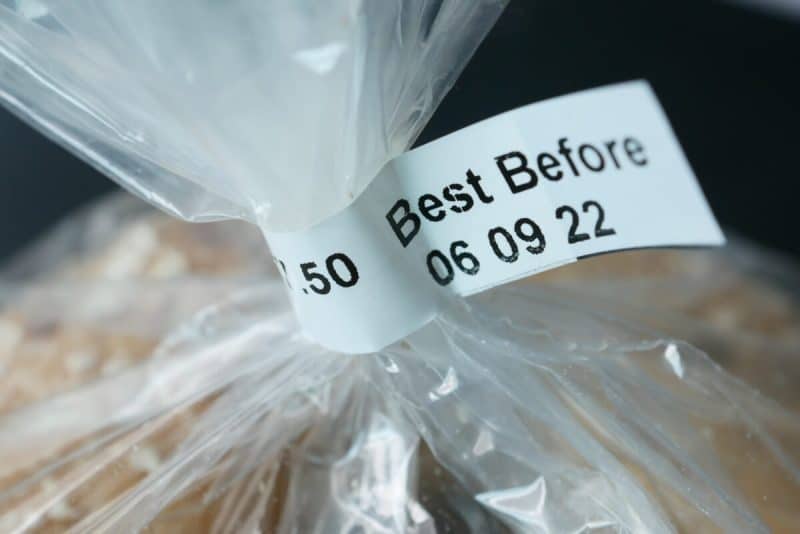
- Read food labels carefully: When buying packaged foods, check the expiration date, origin and ingredients.
- Do not eat food that shows signs of spoilage: If the food has a strange smell, changes color, or is moldy, do not attempt to use it.
- Keep the kitchen area clean: Clean the kitchen counter, sink, and cooking utensils after each use to prevent bacteria from growing.
- Do not leave food at room temperature for too long: Cooked food should be used within 2 hours or stored in the refrigerator if not used immediately.
Conclude
Food safety at home is an important issue, but many people still make common mistakes when storing and preparing food. By changing habits and applying the right methods, we can protect our family's health, reduce the risk of food poisoning and ensure meals are always safe. Pay attention to every step from purchasing, storing to processing to have a healthier and safer diet.