


Choose safe materials that are not harmful to health.
Food processing tools should be made of safe materials, non-toxic to health, durable, easy to use and clean. Especially in industrial kitchens, where food safety and hygiene are always a top priority. avoid food poisoning.

Some common safe food preparation utensil materials include:
- Stainless steel: Stainless steel is the most popular material for making food processing utensils. It is durable, does not rust, does not react chemically with food, and does not contain toxic substances. Stainless steel has many types with different compositions, of which stainless steel 304 and stainless steel 201 are the two most commonly used types.
- Ceramics: Ceramic is a traditional material used to make food preparation utensils. It is durable, heat resistant, and does not react chemically with food. However, ceramic can crack or break if subjected to strong impacts.
- Aluminum: Aluminum is a lightweight, fast-conducting, and inexpensive material. However, aluminum can oxidize, react chemically with food, and form toxic compounds. To reduce this risk, aluminum is often coated with a non-stick coating.
- Plastic: Plastic is a lightweight material that is easy to use and clean. However, not all plastics are safe for health. Food-safe plastics are often marked with the numbers 1, 2, 4, 5 in a circle with an upside-down arrow.
Choose the size that suits your needs.
Kitchen systems for industrial meals need to process many meals, you should choose kitchen utensils that are larger than normal. This will help you cook faster and easier, while saving time.
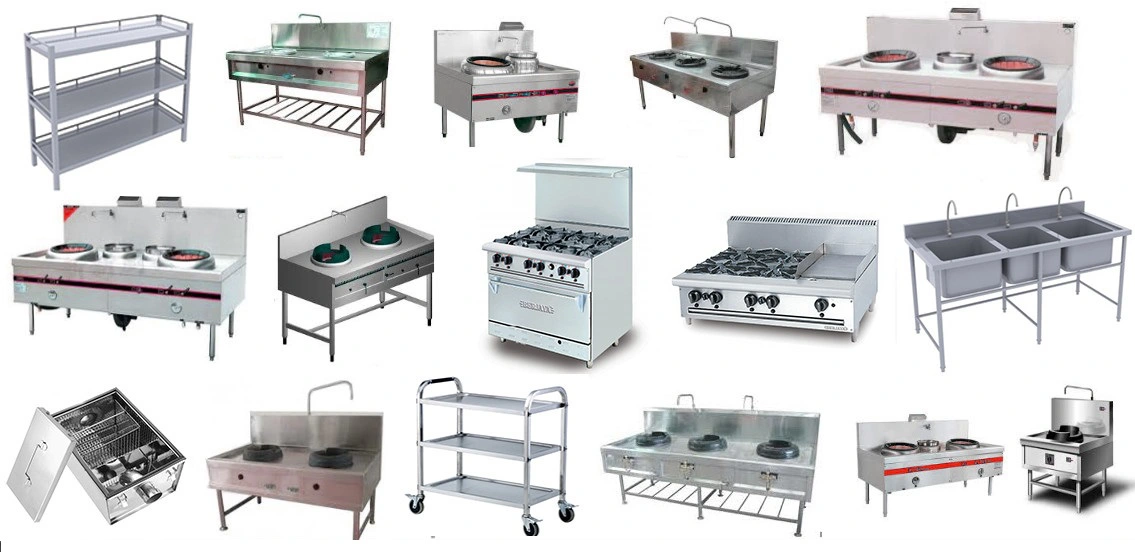
Here are some things to consider when choosing the size of your kitchen utensils when preparing multiple servings:
- Pots and pans: Pots and pans should be large enough to hold the amount of food needed. Pots and pans that are too small will cause food to cook unevenly and burn easily.
- Knife: The knife should be the right size for the type of food being cut. A knife that is too small will make cutting food difficult and time consuming.
- Cutting board: The cutting board should be larger than the pot or pan. A large cutting board will help you cut and slice food easily without splashing.
- Food containers: Usually industrial kitchens need these equipments to be able to contain cooked food, these trays must be large and sturdy enough and even have the ability to keep food warm.
Of course, the size of the cookware also depends on the type of food to be processed and the number of servings to be processed. You should consider these factors to choose the most suitable size of cookware.
Why should we use many stainless steel tools in industrial food processing?
Stainless steel utensils are commonly used in industrial food processing for the following reasons:
- Safe: Stainless steel is a safe material, not harmful to health. Stainless steel does not contain toxic substances such as lead, mercury, arsenic, etc. that can be harmful to health.
- Enduring: Stainless steel is durable, rust-free, and does not corrode in humid environments. This allows stainless steel tools to be used for a long time without being damaged.
- Easy to clean: Stainless steel does not stick to grease and is easy to clean. This helps ensure food hygiene and safety.
- Aesthetics: Stainless steel has a shiny, luxurious surface, creating a clean feeling. This helps enhance the aesthetics of the kitchen.
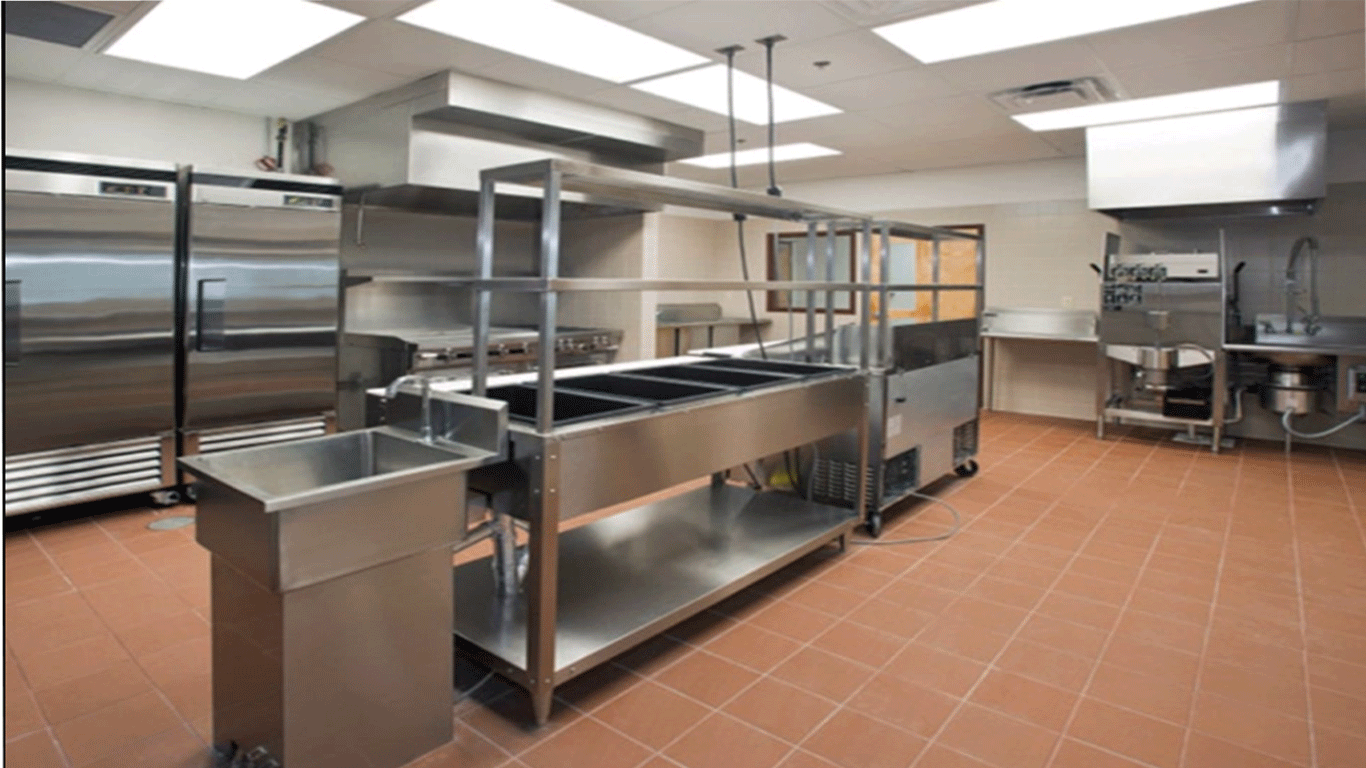
Below are some types of stainless steel tools commonly used in industrial food processing:
- Cutlery: This tool is used to cut and slice food. Stainless steel knives and scissors are very sharp, helping to cut food easily and quickly.
- Cutting board: Stainless steel cutting boards are used to slice and cut food. Stainless steel cutting boards are durable, do not crack or break, and ensure food hygiene and safety.
- Sink: Stainless steel sinks are used to wash food. Stainless steel sinks are durable, easy to clean, and ensure food hygiene and safety.
- Pots, pans: Stainless steel pots and pans are used for cooking. Stainless steel pots and pans are durable, heat-resistant, and ensure food hygiene and safety.
- Frying pan: Stainless steel frying pans are used to fry food. Stainless steel frying pans are durable, non-stick, and ensure food hygiene and safety.
- Blender: Stainless steel blender is used to blend food. Stainless steel blender is durable, easy to clean, ensuring food hygiene and safety.

Using stainless steel utensils in industrial food processing helps ensure food hygiene and safety, and industrial kitchen standards, to improve the quality of food and create a clean, luxurious feeling for the kitchen.