


Food additives and preservative are widely used in the food industry to extend the shelf life of products, improve the flavor, color and texture of products. However, not all of these substances are safe for human health. Consuming harmful additives and preservatives can lead to many serious health problems. This article will provide a list of common additives and preservatives, assess their safety, and guide you on how to recognize them when choosing food.
1. What are preservatives and food additives?
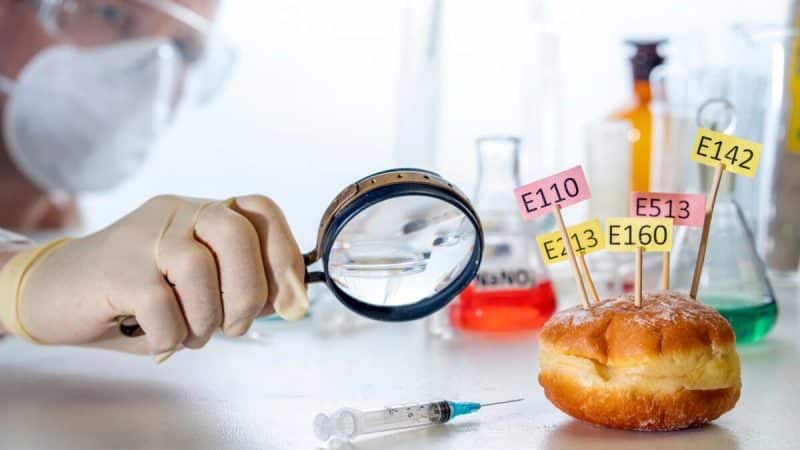
Preservatives are chemical compounds added to foods to prevent the growth of bacteria, molds and other microorganisms, helping to extend the shelf life and maintain the freshness of foods. Food additives are substances added to foods to improve the flavor, color, texture or nutritional value of the product. These substances can be natural or synthetic.
2. List of preservatives and food additives that are harmful to health
Here are some common preservatives and food additives that are believed to be harmful to health:
- BHA (Butylated Hydroxyanisole) and BHT (Butylated Hydroxytoluene): Used to prevent rancidity of fats in foods. However, they can be endocrine disruptors and are thought to be carcinogenic.
- Sodium Nitrite and Sodium Nitrate: Often used in processed meat products to maintain color and prevent bacterial growth, they can, however, form nitrosamines, a carcinogen, when they react with amino acids under high heat conditions.
- Aspartame: An artificial sweetener used in many “sugar-free” products. Some studies suggest that aspartame may cause neurological problems and increase the risk of cancer.
- MSG (Monosodium Glutamate): Used to enhance the umami flavor in foods. However, some people may be sensitive to MSG, causing symptoms such as headaches, nausea, and sweating.
- Trans Fat: Found in many processed foods, trans fats may increase your risk of heart disease and stroke.
- Artificial food dyes: Some artificial food dyes can cause allergic reactions and have been linked to an increased risk of cancer.
- Brominated vegetable oil (BVO): Used in some carbonated drinks to preserve flavor, BVO can build up in the body and cause health problems such as neurological and skin disorders.
- Potassium Bromate: Used to improve the elasticity of flour dough in baking. However, it has been shown to cause cancer in animals and is banned in many countries.
- Acesulfame Potassium (Ace-K): An artificial sweetener used in many sugar-free products. Some studies suggest that Ace-K may cause neurological problems and increase the risk of cancer.
- Borax: Often used in the processing of ham and pho noodles to create crunchiness. However, borax can cause damage to the kidneys and digestive system, and has been banned from use in food in many countries.
3. Safety level of preservatives and food additives
The safety of preservatives and food additives depends on many factors, including the amount consumed, the frequency of use, and individual sensitivity. Although many additives are considered safe when used at recommended levels, excessive or prolonged consumption can be harmful to health. Therefore, limiting the consumption of products containing many additives and prioritizing fresh, natural foods is the best way to protect your health.
4. How to recognize and avoid harmful preservatives and additives when buying food
To limit the consumption of harmful preservatives and additives, consumers need to pay attention to the following points when shopping for food:
- Read product labels carefully: Check the ingredient list on the packaging for harmful additives. Additives are often listed as E numbers (e.g. E621 for MSG). If you see BHA, BHT, sodium nitrite, aspartame, or E numbers associated with the harmful substances listed above, think twice before buying.
- Prioritize fresh and natural foods: Choose fresh, unprocessed or minimally processed products to minimize your intake of additives and preservatives.
- Avoid processed foods and fast foods: These products often contain many additives and preservatives to extend shelf life and improve flavor. Limiting their consumption will help reduce your risk of exposure to harmful substances.
Recognizing and limiting harmful preservatives and food additives is important for protecting your health. When choosing food, prioritize fresh, minimally processed products, read labels carefully, and avoid potentially harmful substances. One diet A healthy, balanced diet not only reduces the risk of chronic diseases but also ensures long-term health.